
Acing Your Sabbatical with Cathy Nicholson
Cathy is a Professor of English at Yale University who specialises in early modern literature. Here she explains the joy of writing for the NYRB and making the most of a sabbatical — especially with kids.
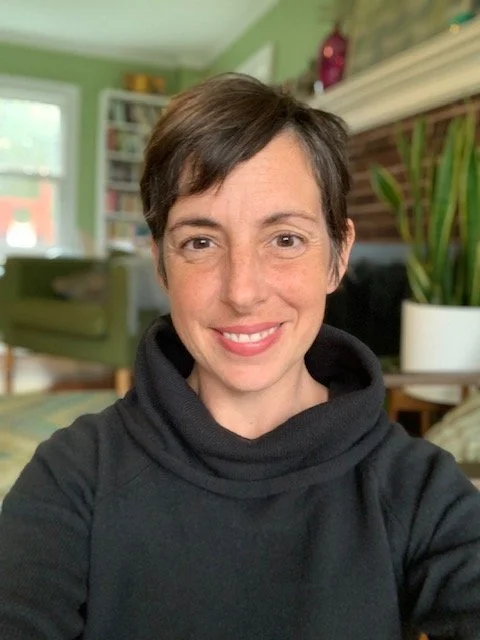
Cathy Nicholson
Author of Uncommon Tongues: Eloquence and Eccentricity in the English and Reading and Not Reading The Faerie Queene: Spenser and the Making of Literary Criticism
Scholars & Writers services: Transform, Book Development, Advance, and Developmental Editing
Q&A
You aced your sabbatical. It started in January, and by July you sent an intro and three chapters sent to an editor. What's your advice to anyone about to begin a leave?
I started by devoting a month to planning the structure of my book in Book Development. I really, really did not want to do this: I was eager to start generating new pages and revising the pages I had. I was also afraid that the structure wouldn’t come to me, and I’d have wasted a month. But after a bit of flailing and a lot of whining to my writing coach, a structure for the book did emerge, and that allowed me to set purposeful and achievable goals for the entire rest of the leave. I’m so glad I started off this way!
Then I focused on writing routines and trusted that writing progress and writing quality would take care of themselves—which they eventually mostly did!
Focusing on routine has proven to be such a sustaining way of weathering the inevitable fits, starts, lulls, and detours of a long-term writing project for me, especially as someone who often doesn’t love the writing I’m doing while I’m doing it.
A leave gives you a lot of unstructured time. Tell us about your writing routine.
If I write for two to three hours a day, that’s enough. Doing that day after day and week after week almost always leads to some days where I write for four or six or even eight hours, but if I set out to write for six to eight hours a day, I’d quit.
I try to fit those hours in first. But in the early weeks of my leave, I hated getting up early and was always tempted to go back to bed instead of writing once the kids were off to school. I think I was expecting some sort of advice about how to make that impossible, like leaving the house to go to a coffee shop, but my writing coach suggested going with my desire for an hour-long morning nap. That blew my mind: that I could just take the nap and then write, no need for guilt. So I did, pretty much every single day of my entire leave!
You also wrote a few book reviews for The NYRB during your leave. It's the kind of gig lit folks often want, so please share your insider info.
I came to book reviewing by accident: an editor happened to have a book on a topic I was immersed in at the time, and a colleague pointed her my way. I then discovered that I loved it. Unlike my own academic writing, which often involves plenty of agonizing, writing reviews is something I find deeply pleasurable and often fun. It’s a lot like teaching: my task is to lay out a subject for others and persuade them that it’s worth thinking about, even if only for the length of the review.
You wrote through kids off school for various winter holidays, unplanned snow days, and then their summer break. How do you do it?
To my surprise, focusing on routine has also helped me deal with disruptions. Snow days and sick days were constantly intruding on the early months of my leave, but I knew what I was coming back to each time the routine was interrupted, and that helped me to relax and stay cheerful even when my plans had been upended.
I also set goals like finishing a chapter draft to coincide with the times when I know I am about to head into extended kid-time—spring break, the week between school and the start of summer camp, the entire month of August. It doesn’t always work perfectly, but I try not to set myself up for impossible feats, like finishing a draft while my kids are around. That time is good for other stuff: service work, teaching prep, reading for a review, and so on.
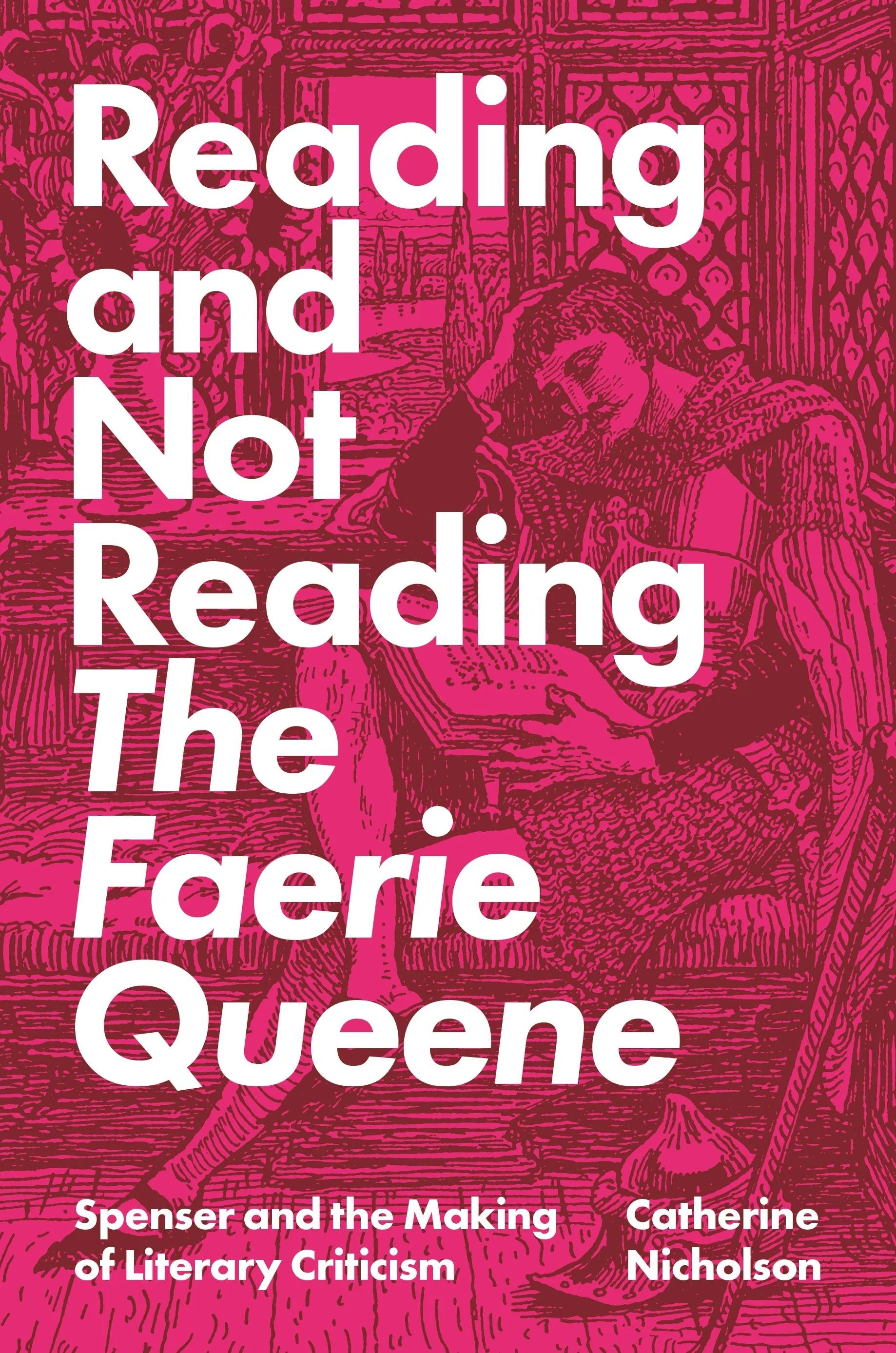
Reading and Not Reading The Faerie Queen
Spenser and the Making of Literary Criticism
The four-hundred-year story of readers' struggles with a famously unreadable poem—and what they reveal about the history of reading and the future of literary studies
Buy at Amazon
Buy at Princeton

Would You Like help making the Most of Your Sabbatical?
Learn more about Transform and Book Development
We help writers create a daily writing retreat that they look forward to. And we we help them see their project more clearly so that writing feels like a series of enjoyable moments rather than a struggle to figure out a complex mess. We’re with you through all the highs and lows to get your biggest idea to the right press.
We'd love to talk about where you want to be by the last week of your sabbatical and how we can help you get there.
Talk with Anne or Daniela about how to prepare for and enjoy your next leave.
