
Promoting Your Book in Bars & Museums with Jennifer A. Jordan
Jennifer is a professor of sociology at the University of Wisconsin-Milwaukee who specializes in food, history, and urban studies. Here she explains how she brings her research to the people.
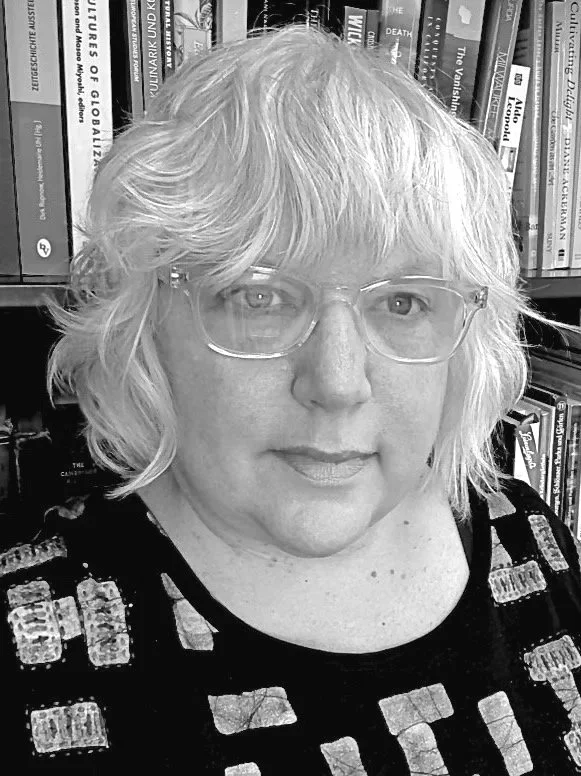
Jennifer A. Jordan
Professor of sociology, urban studies, and history, University of Wisconsin-Milwaukee
Interests: sociology of culture and sociology of beer & brewing
Selected Books: Beer Ghosts and Edible Memory
Recent Appearances: Beer Ladies Podcast and Drink Beer, Think Beer
Instagram: @historicalhops
Q&A
You get more people to engage with your work in ways most academics don't even think about: museums, hobby groups, breweries. Tell us about a few of your favorite experiences.
A few weeks ago, I gave the first real Beer Ghosts talk (with the book in hand) in the historic brewhouse at Old World Wisconsin, while their historic brewers made a Norwegian farmhouse ale over a crackling open fire right next to me. As I talked, visitors sipped Beer Ghosts Cream Ale, a collab between Old World Wisconsin and Water Street Brewery made with hops I grew from a plant found near an 1850s hop farm. I loved how sensory experiences intertwined, and how I could convey years of deep archival research not just through words and images, but through woodsmoke and historical hops.
You really make the magic happen by connecting to these groups. How would you advise other academics on developing these relationships?
My DIY book tour is a combination of places that invited me and places I pitched, all with logistical support from University of Chicago Press. For example, I wrote to Chicago’s Dovetail Brewery with a maximalist vision, and they wrote back right away, and now in a few weeks, we’re hosting a book reading paired with a hop pickers’ dinner (well, brunch) based on a historical document, complete with fiddlers from the Old Town School of Folk Music. I’m also giving a talk at my hometown public library and my university’s map library. We can be creative and proactive about how and where we talk about our work, and about finding partners in libraries, bookstores, community organizations, and the like.
Let's switch from promotion to craft. What have you learned about writing for general audiences since your last book, Edible Memory: The Lure of Heirloom Tomatoes and Other Forgotten Foods?
I have worked very hard on my writing over the past decade, learning from everyone I can. My writing group played a key role: I felt them perched on my shoulder as I wrote, steering me back to clarity. I also learned a lot from my brother, a film editor at Lucasfilm. So much of his art is about removing rather than adding, and a lot of us detail-obsessed academic writers could take that to heart. My book is still packed with detail, but I cut tens of thousands of words as I edited, and the story came through more clearly for it.
what would you like more people to know about you OR your work?
Two things: first, a human copyeditor is one of the greatest gifts a press can give an author. The copyediting process was intense but made the book so much better: more accurate and much clearer. Second, during the final stages of proofreading and indexing, I swore to my husband that I would never write another book. But now I am a good 25K words into my next project on handweavers, Luddites, rivers, and mills in the late 18th and early 19th centuries. I even became a handweaver myself, and I now serve on the board of directors of the Newbury School of Weaving.
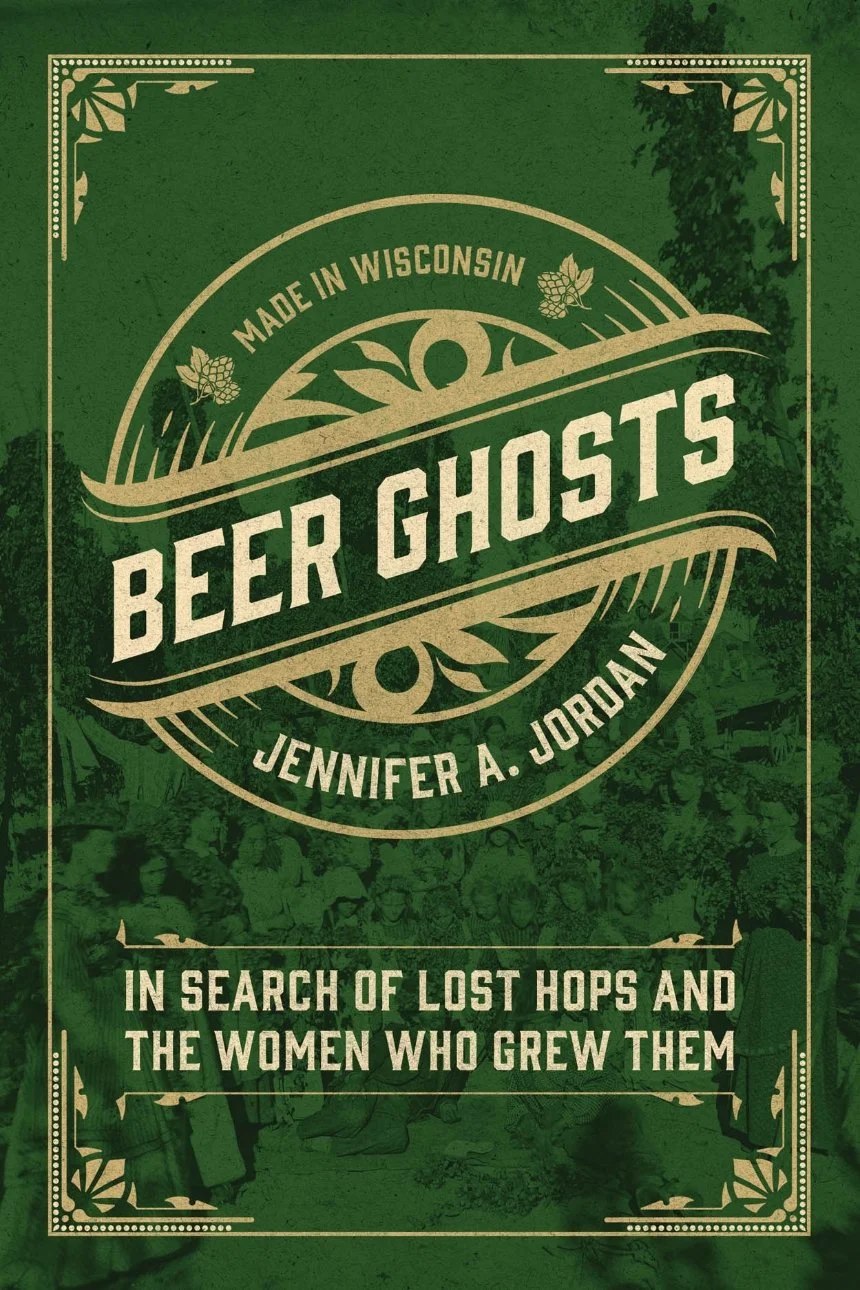
Beer Ghosts
In Search of Lost HOps and The Women Who Grew Them
The little-known story of the young women who played a vital role in the rise of America’s great breweries.
Buy at Amazon
Buy at U Chicago Press

Would You Like your book to Reach Larger Audiences?
Learn More ABOUT ENGAGE
We’ve helped many successful academics bring their work to more people and move from a small circle of academic colleagues to general audiences. Book a consultation with Anne to talk about how we can help you raise your profile and make a more significant impact with your expertise.
