
MAP OUT YOUR YEAR WITH THE SCHOLAR’S ALMANAC TOOL
Most academics work in two seasons: teaching and not teaching. We think seven is closer to the truth. The Scholar's Almanac shows you where you are, what's coming, and where to put your energy.
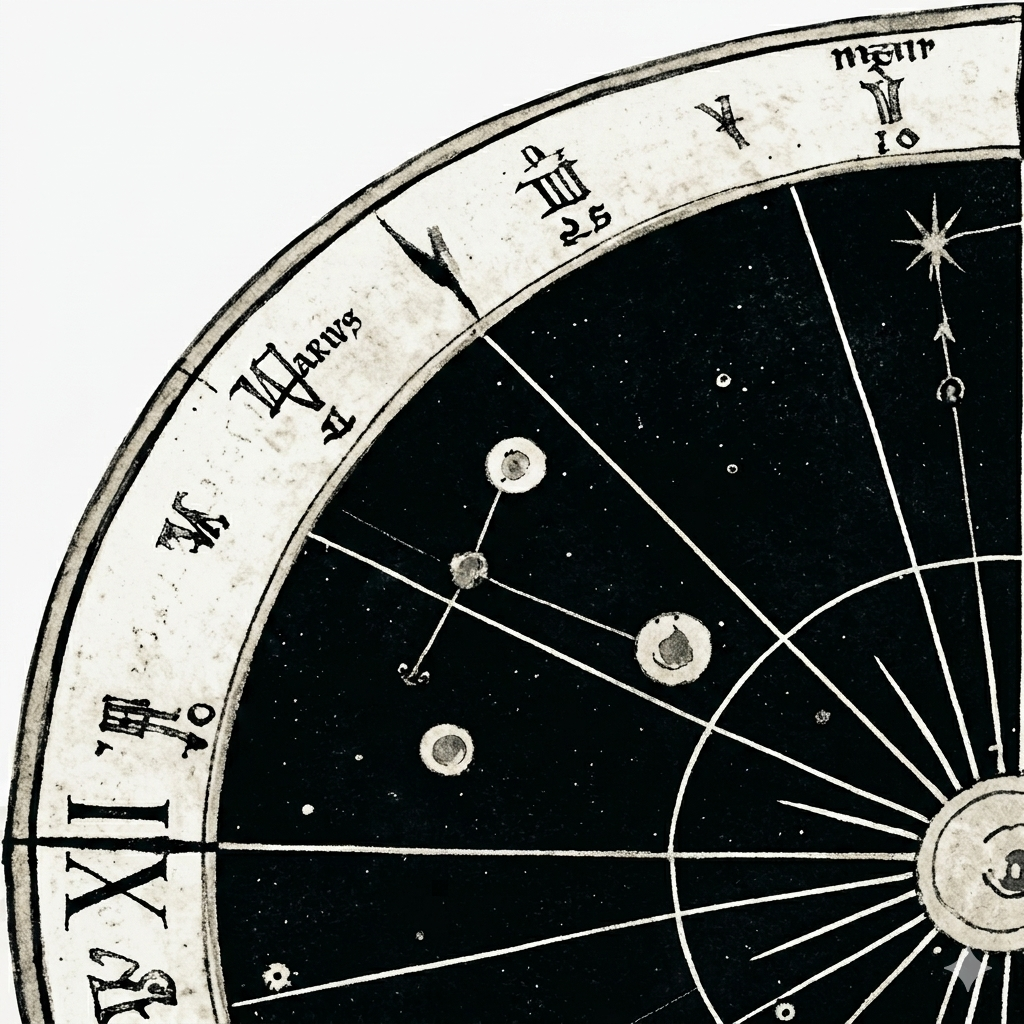
The Scholar’s Almanac
An Academic Year in 7 Seasons
Academic life gives you two things in abundance: a seductive kind of autonomy and endless interesting projects (as well as a few not-so-interesting ones). But when you combine the freedom to work how and when you want with the range of skills it takes to sustain research, writing, teaching, service, mentoring, collaborating, and admin, each term can feel over-crowded and under-organised. Managing it all means thinking carefully about how time works, whether daily, seasonally, across a career.
Here are three ways we think about time at Scholars & Writers:
Routines — the rhythms and patterns particular to your day and week. When a routine is working, you stop contemplating and start moving. The question of when to write, when to prep, when to deal with email shifts from being endless decisions – and avoidances – to consistent habits.
Rituals — the small acts that make it more likely you will stay in the moment. Brew your favourite tea, light a candle, start your writing playlist. You're signalling to your brain that it's time to concentrate. You're also making it possible to do so.
Seasons — the calendrical cycles that change what you work on — and how you give your attention to them
The first two live at the heart of Transform, our flagship coaching programme. The third is what our new Scholar's Almanac is for.
Answer a few questions and it shows you how what you do in one season shapes what's possible in the next. It's the same principle The Old Farmer's Almanac has run on since 1792, and plenty of others before that. Sowing, tending, reaping, resting. Only for academics. And a little more personal.
The Scholar's Almanac uses three ideas we know but sometimes forget.
The first is almost a thousand years old. Since the birth of the European university, the academic calendar has been shaped by the liturgical year, which was itself shaped by the seasons. That structure never left us.
The second is simpler: energy isn't constant. What depletes and restores you shifts across the year. How you work in October is not the same in March or July.
The third is about how academics count. The earth moves through four seasons. Most of us collapse these into two: teaching and not teaching. We suggest seven is closer to reality, and we've given each one a name that reflects its spirit:
Chance start of the academic year until autumn clock change
Brisk autumn clock change until the winter break
Revel-Retreat winter break
Glow winter return to classes until spring/term/Easter break
Bloom spring/term/Easter break until summer break
Flourish summer break
Ready two weeks before the start of the new academic year
The Scholar's Almanac calculates exactly where you are and what comes next.
Print your results, pin them up, and move through the year a little more prepared than before.

WOULD YOU LIKE HELP CREATING A MORE ORDERLY ACADEMIC LIFE?
FIND OUT MORE ABOUT HOW TO TRANSFORM YOUR WRITING PRACTICE
With just three habits and three methods, Anne can help you create a regular routine, make time for all your projects, and feel more in control of your busy timelines.
